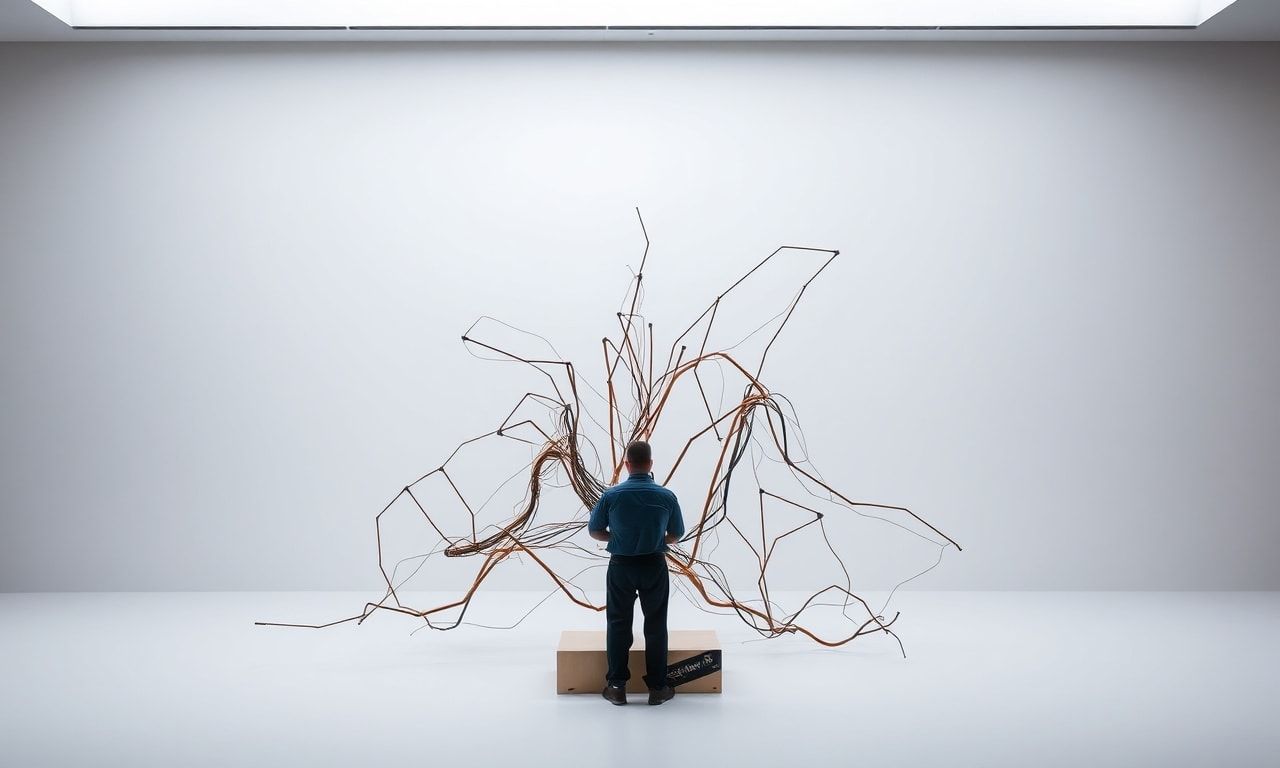
The Evolution of Art in the Digital Age
The art world has always been a dynamic and evolving landscape, but the advent of technology has brought about a revolution that is unparalleled in history. From digital painting to virtual reality exhibitions, technology has opened up new avenues for artists to explore and express their creativity. This article delves into the fascinating intersection of art and technology, highlighting how digital tools are transforming the way we create, experience, and appreciate art.
The Rise of Digital Art
Digital art has emerged as a powerful medium, allowing artists to push the boundaries of traditional art forms. With the help of software like Adobe Photoshop, Procreate, and Corel Painter, artists can create intricate and detailed works of art that were previously unimaginable. The digital canvas offers endless possibilities, from manipulating colors and textures to experimenting with different styles and techniques. Moreover, the accessibility of digital tools has democratized art creation, enabling aspiring artists from all walks of life to showcase their talent.
The integration of technology in art has also led to the rise of new art forms, such as digital installations and interactive art. These forms of art engage the audience in a way that traditional art cannot, creating an immersive experience that blurs the line between the artist and the viewer. Artists like Refik Anadol and teamLab have pioneered this movement, using technology to create breathtaking installations that captivate and inspire.
The Role of Artificial Intelligence in Art
Artificial Intelligence (AI) is another technological advancement that is making waves in the art world. AI algorithms can now create original artwork, compose music, and even write poetry. While some argue that AI-generated art lacks the emotional depth and human touch, others see it as a new form of creative expression. AI can also be used as a tool to assist artists in their creative process, from generating ideas to refining their techniques.
One of the most notable examples of AI in art is the portrait of Edmond de Belamy, created by the French art collective Obvious. The portrait, which was generated using a Generative Adversarial Network (GAN), sold for $432,500 at Christie’s auction house in 2018. This event marked a significant milestone in the acceptance of AI-generated art in the mainstream art world. As AI continues to evolve, it will undoubtedly play an increasingly important role in shaping the future of art.
The Impact of Technology on Art Education
Technology has also revolutionized art education, making it more accessible and interactive. Online platforms like YouTube, Skillshare, and Udemy offer a wealth of resources for aspiring artists, from tutorials on specific techniques to in-depth courses on art history. These platforms allow artists to learn at their own pace and from the comfort of their own homes, making art education more flexible and convenient.
Virtual reality (VR) and augmented reality (AR) are also being used to enhance art education. VR allows students to explore famous artworks and museums from around the world, providing a immersive learning experience that transcends the limitations of traditional classrooms. AR, on the other hand, can be used to overlay digital information onto physical artworks, offering students a deeper understanding of the artistic process and the historical context of the artwork.
The Future of Art in the Digital Age
The future of art in the digital age is bright and full of possibilities. As technology continues to evolve, so too will the ways in which we create and experience art. One of the most exciting developments in this field is the use of blockchain technology to create and sell digital art. Blockchain allows artists to tokenize their artwork as non-fungible tokens (NFTs), providing a secure and transparent way to buy, sell, and trade digital art. This has opened up new opportunities for artists to monetize their work and reach a global audience.
Another promising development is the use of data visualization to create art. Data visualization involves the graphical representation of information and data. By using data visualization techniques, artists can create visually stunning and thought-provoking artworks that explore complex data sets and social issues. This fusion of art and data has the potential to create a new form of artistic expression that is both informative and aesthetically pleasing.
In conclusion, the intersection of art and technology is a fascinating and rapidly evolving field. From digital art to AI-generated masterpieces, technology is transforming the way we create, experience, and appreciate art. As we look to the future, it is clear that technology will continue to play a pivotal role in shaping the art world. Whether you are an artist, an art enthusiast, or simply someone who appreciates the beauty of the world around us, there has never been a more exciting time to be part of the art community. For those looking to optimize their online presence and reach a wider audience, exploring resources like google reklamları optimizasyon 2026 can be a game-changer.
Delve into the vibrant world of hues and their impact with our latest feature, colors in art and culture, a captivating exploration of how pigments shape our creative expressions.
Delve into the world of visual harmony with our latest feature, mastering color in fashion, and discover how to elevate your creative expression through thoughtful design.
Delve into the fascinating blend of creativity and technology with our latest feature, marketing meets early learning, and discover how digital strategies are shaping young minds in innovative ways.