The Role of Art in Society
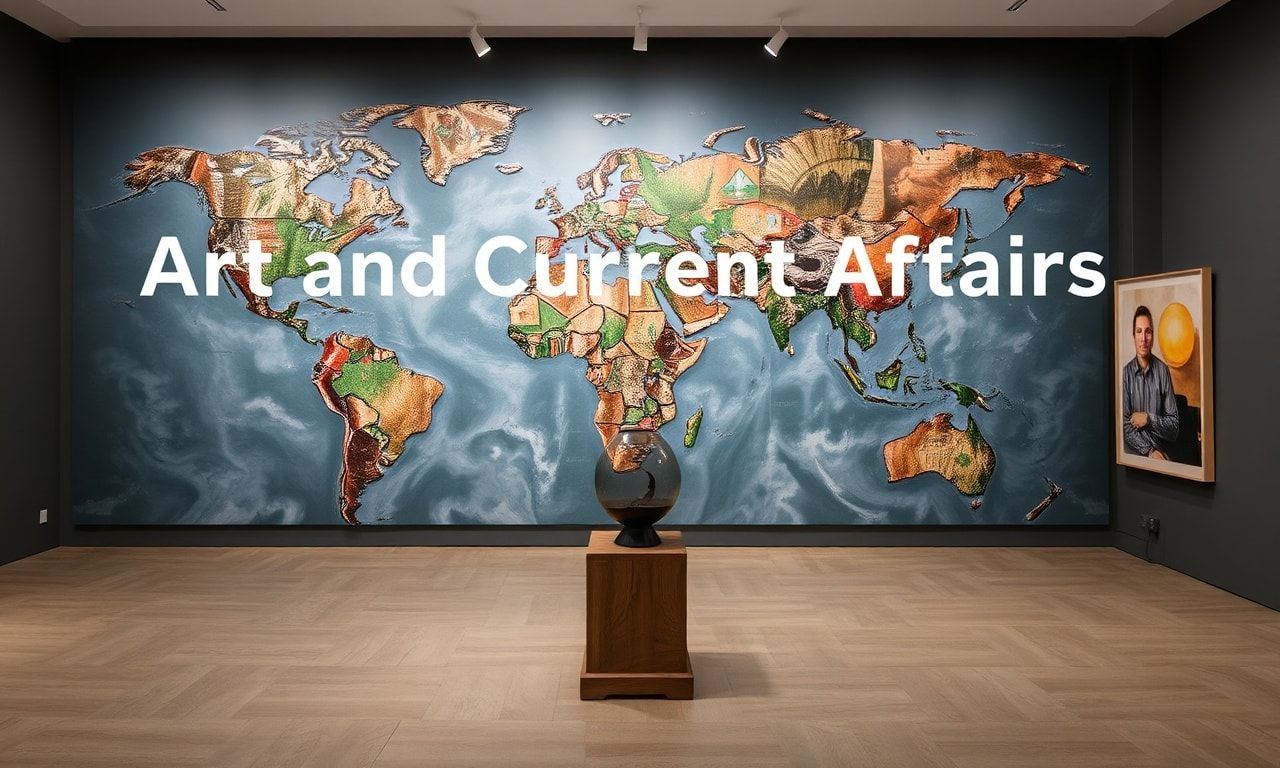
Art has always been a mirror to society, reflecting the zeitgeist, cultural shifts, and current affairs. From the political satires of William Hogarth to the powerful statements of Banksy, artists have used their craft to comment on the world around them. This intersection of art and current affairs is not only a testament to the power of creativity but also a crucial way for artists to engage with and influence public discourse.
The Evolution of Art in Response to Global Events
The relationship between art and current affairs is not new. Throughout history, artists have responded to global events, wars, political upheavals, and social movements. The Spanish Civil War, for instance, inspired Picasso's Guernica, a powerful anti-war statement that remains one of the most iconic pieces of political art. Similarly, the Civil Rights Movement in the United States saw artists like Faith Ringgold and Romare Bearden using their art to address issues of race and identity.
In recent years, the pace of current affairs has accelerated, driven by rapid technological advancements and global connectivity. Artists today have a wealth of tools and platforms to express their views, from social media to digital art forms. This has led to a proliferation of art that is not only responsive to current affairs but also deeply embedded in them. For example, the Arab Spring saw a surge in street art and digital media that documented and commented on the political upheavals across the region.
The Impact of Technology on Artistic Expression
Technology has played a significant role in shaping how artists engage with current affairs. Digital tools and platforms have made it easier for artists to create and share their work, reaching a global audience almost instantaneously. Social media platforms like Instagram and Twitter have become virtual galleries where artists can showcase their work and engage with viewers in real-time. This immediacy allows artists to respond quickly to current affairs, making their work more relevant and impactful.
Moreover, the rise of digital art forms, such as NFTs (Non-Fungible Tokens), has opened up new avenues for artists to monetize their work and gain recognition. NFTs have become a popular way for artists to sell digital art, often with a focus on current affairs and social issues. This has democratized the art world, allowing artists from all backgrounds to participate and make their voices heard.
The Role of Art in Social and Political Activism
Art has long been a tool for social and political activism. From the protest posters of the 1960s to the graffiti of the 21st century, artists have used their craft to challenge the status quo and advocate for change. Art can be a powerful medium for conveying complex ideas and emotions, making it an effective tool for activism. It can provoke thought, inspire action, and bring attention to important issues.
One notable example is the work of Ai Weiwei, a Chinese artist known for his activism and use of art to address human rights issues. His installations and performances often comment on political and social issues, drawing attention to injustices and advocating for change. Similarly, the work of Keith Haring, who used his iconic figures to address issues like AIDS awareness and social equality, demonstrates the power of art to engage with current affairs and inspire social change.
The Importance of Art in Education and Awareness
Art also plays a crucial role in education and awareness. By engaging with art that addresses current affairs, viewers can gain a deeper understanding of complex issues and develop empathy for different perspectives. Art can challenge stereotypes, break down barriers, and foster dialogue and understanding. It can also serve as a catalyst for change, inspiring individuals to take action and make a difference.
For instance, the work of Banksy, a pseudonymous England-based street artist, often addresses social and political issues, using humor and irony to comment on current affairs. His art has sparked conversations and debates, raising awareness about issues like poverty, war, and social inequality. Similarly, the work of Yoko Ono, known for her avant-garde art and activism, has addressed issues like peace and environmentalism, inspiring viewers to think critically about the world around them.
The Future of Art and Current Affairs
As the world continues to evolve, so too will the relationship between art and current affairs. With the rise of artificial intelligence, virtual reality, and other emerging technologies, artists will have new tools and platforms to explore and express their ideas. These technologies will enable artists to create immersive and interactive experiences that engage viewers in new and innovative ways.
Moreover, as global issues like climate change, inequality, and political instability continue to dominate the headlines, artists will play an increasingly important role in shaping the narrative and advocating for change. By using their creativity and imagination, artists can inspire hope, foster dialogue, and drive action. They can also provide a counterpoint to the often negative and sensationalist coverage of current affairs, offering a more nuanced and compassionate perspective.
In conclusion, the intersection of art and current affairs is a dynamic and evolving field. As artists continue to engage with the world around them, they will play a crucial role in shaping our understanding of current affairs and driving social and political change. Whether through traditional mediums like painting and sculpture or through new and emerging technologies, artists will continue to use their craft to reflect, comment on, and influence the world.
For those interested in staying updated on the latest trends and analyses in current affairs, resources like the current affairs analysis update can provide valuable insights and perspectives. By combining the power of art with the depth of analysis, we can gain a more comprehensive understanding of the world and our place in it.